There is a brief, golden window of time each year when driving feels absolutely effortless. The sweltering summer humidity has finally packed up and moved out, the leaves are turning vivid shades of orange and red, and the cool autumn air makes for perfect weekend road trip weather.
However, ask any professional mechanic down at our auto repair shop, and we will tell you that autumn isn't just a time for scenic drives and pumpkin patches. It is the single most important transition period for your vehicle. Fall acts as nature's final warning phase. It gives you a short window to clean up the wear and tear left behind by hot summer highways and prepare your vehicle for the brutal cold, ice, and road salt waiting just around the corner.
Skipping your seasonal vehicle care in the fall is a gamble that rarely pays off. Once freezing temperatures set in, minor neglected issues rapidly morph into major roadside emergencies. To help you stay two steps ahead of winter, we put together a straightforward, practical fall maintenance checklist that every driver should knock out before the first hard frost hits.
Clear Your View of the Road
Autumn weather brings an unpredictable mix of blinding low sun angles, heavy morning fog, sudden rainstorms, and piles of wet leaves sticking to your windshield. Having absolute clarity through your front glass is your first line of defense on the road.
Replace Tired Wiper Blades: If your wipers left streaks or made a harsh chatter sound across the glass during summer rainstorms, replace them immediately. The rubber on those blades has already been baked brittle by summer heat, and icy autumn mornings will cause them to tear completely.
Top Off Defrosting Fluid: Ditch any remaining summer bug wash sitting in your washer reservoir and refill it with a high-performance winter washer fluid rated for sub-zero temperatures. Summer fluids will freeze solid inside your fluid lines, cracking the plastic reservoir tank and leaving you unable to clear road grime from your view.
Inspect Your Safety Footing
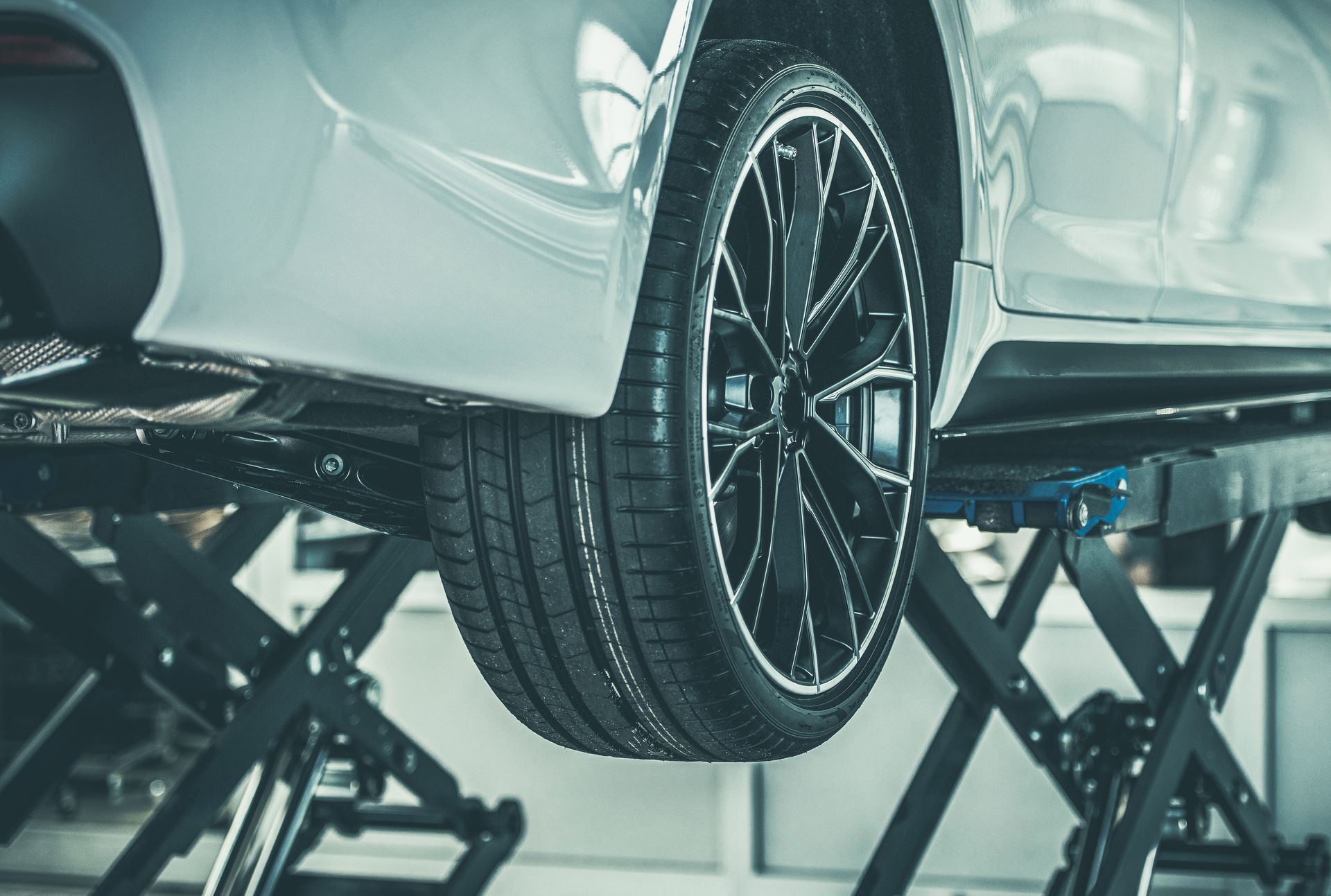
Your tires are the only physical barrier separating your car from wet asphalt and slick, decaying autumn leaves. Leaves on the road might look festive, but when they get wet, they create a surface that is just as slippery as black ice.
Grab a penny and perform a quick tread depth test. Insert the coin upside down into your tire tread grooves. If you can see the top of Lincoln's head, your tread is worn down past a safe limit and will struggle to channel away water and slush.
Additionally, check your tire pressure once a week as the ambient air turns crisp. As outside temperatures drop, the air inside your tires naturally contracts, dropping about one pound of pressure for every ten-degree drop in temperature. Driving on underinflated tires ruins your fuel mileage, causes uneven tread wear, and severely compromises your emergency braking distance.
Test Your HVAC Climate Control and Heat
You might not have used your vehicle's cabin heater for several months, but you will rely on it every single day once late autumn arrives. Your heating system isn't just about keeping your feet warm, it is a vital safety system responsible for defrosting your fogged-up windows.
Turn your dashboard temperature controls all the way to hot and test every fan speed setting. If the air coming out of your vents stays lukewarm or smells dusty, check your cabin air filter first. A filter clogged with summer dust and tree pollen restricts airflow, making it almost impossible for your defroster to clear your windshield efficiently. If a fresh filter doesn't fix the warmth, you could be facing a stuck thermostat or a low engine coolant level.
Evaluate Your Electrical Power Center
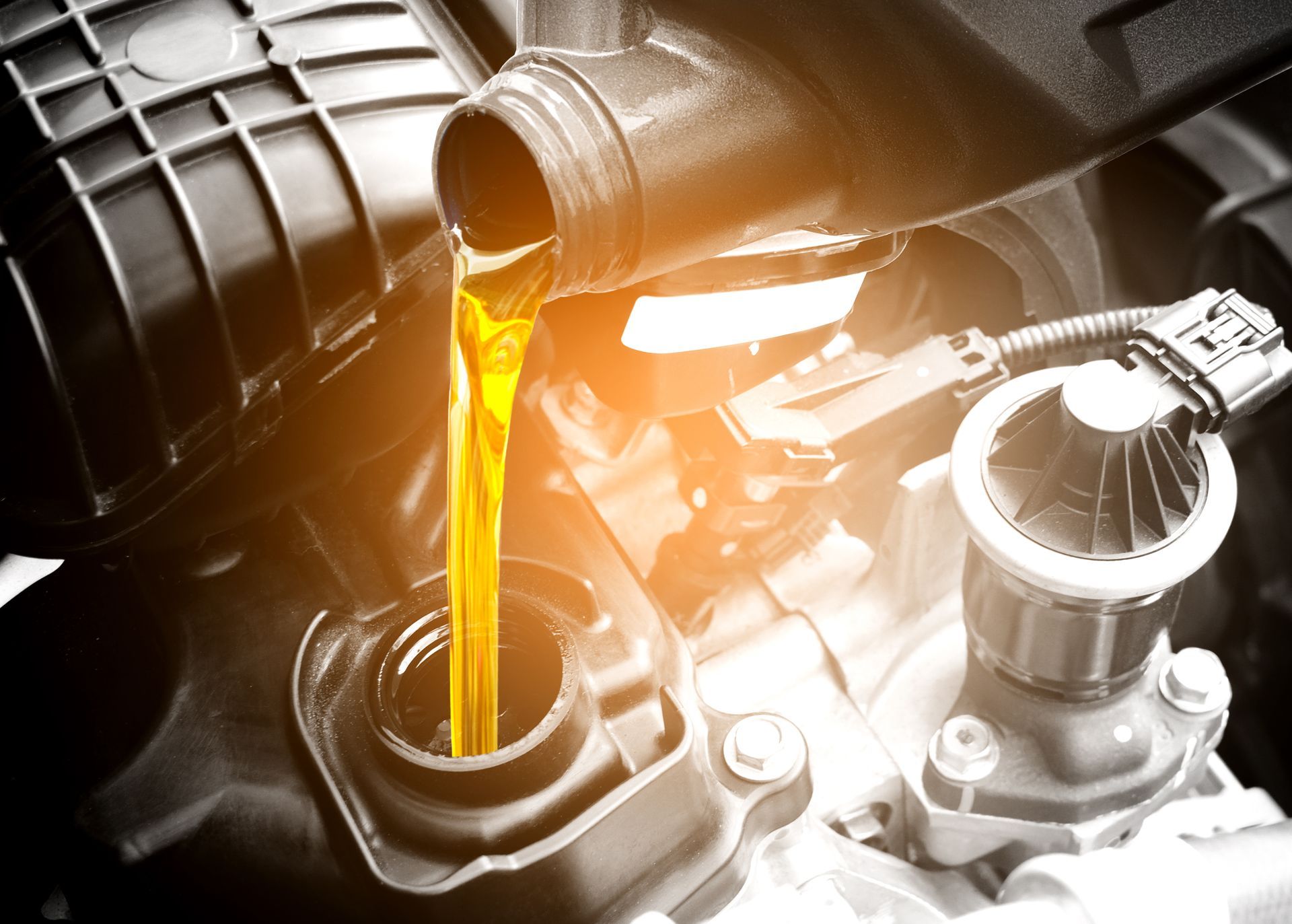
Freezing temperatures are notoriously brutal on car batteries. Cold weather thickens your engine's internal motor oil, forcing the starter motor to draw significantly more electrical current just to turn the engine over. At the same time, the cold slows down the internal chemical reactions inside the battery casing, cutting its available cranking power in half.
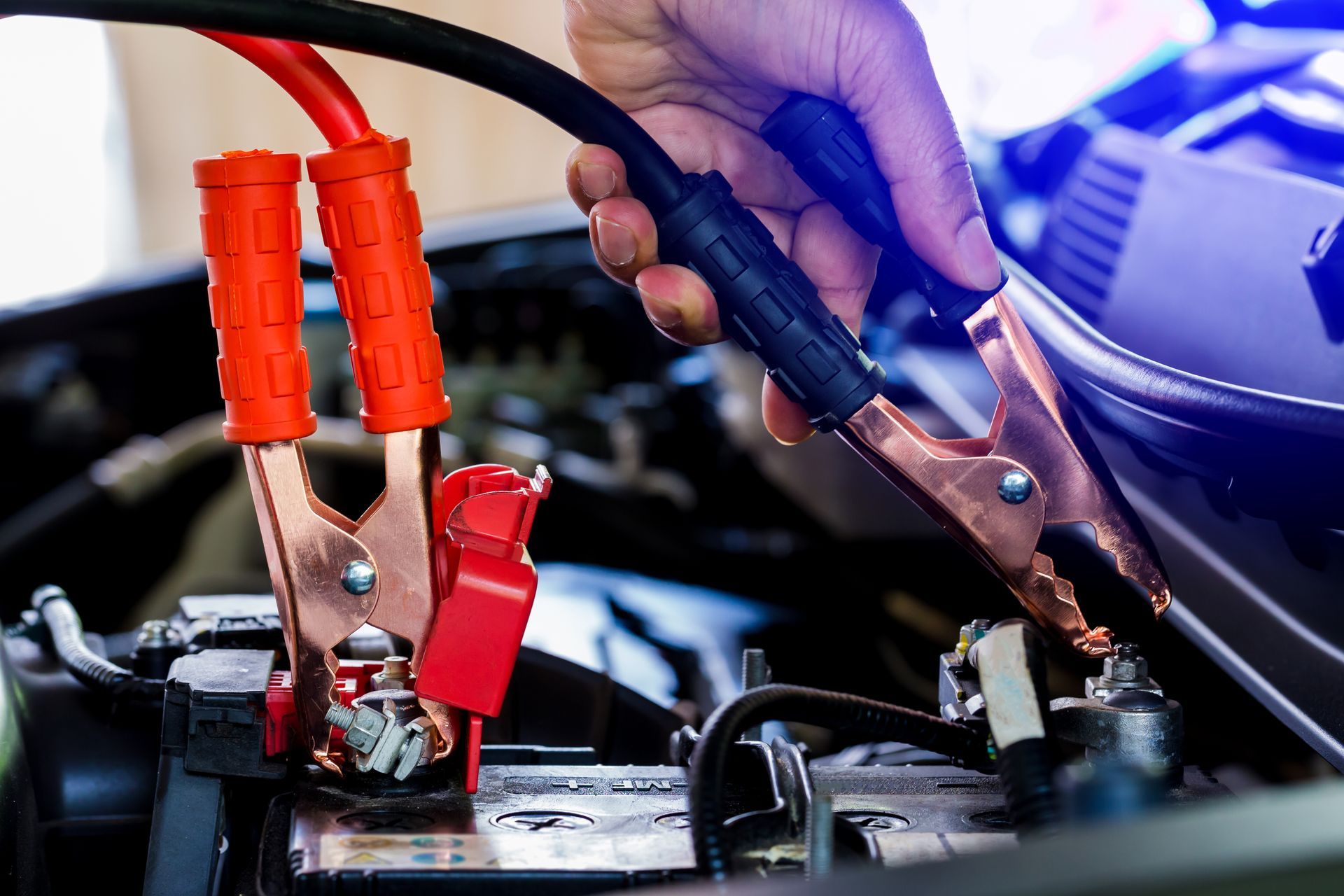
Pop open your hood and examine your battery terminals. If you see a crusty buildup of white or greenish powder on the metal posts, clean it away safely. That corrosion acts like an electrical wall, preventing your alternator from properly recharging the battery while you drive. If your battery is more than three years old, have a professional test its true cold cranking amps before you get stuck in a dark parking lot on a freezing morning.
Let Andrade's Automotive Service Knock Out Your Fall Checklist Today
Preparing your vehicle for the seasons ahead shouldn't feel overwhelming or stressful. Taking care of these routine maintenance items right now guarantees that your car will start reliably, run smoothly, and keep your family safe no matter what kind of weather autumn throws your way.
Do not wait for a sudden cold wave to reveal a hidden mechanical issue. Bring your vehicle by
Andrade's Automotive Service in Fall River, MA this week or
give us a call today to schedule your seasonal fall checkup.